
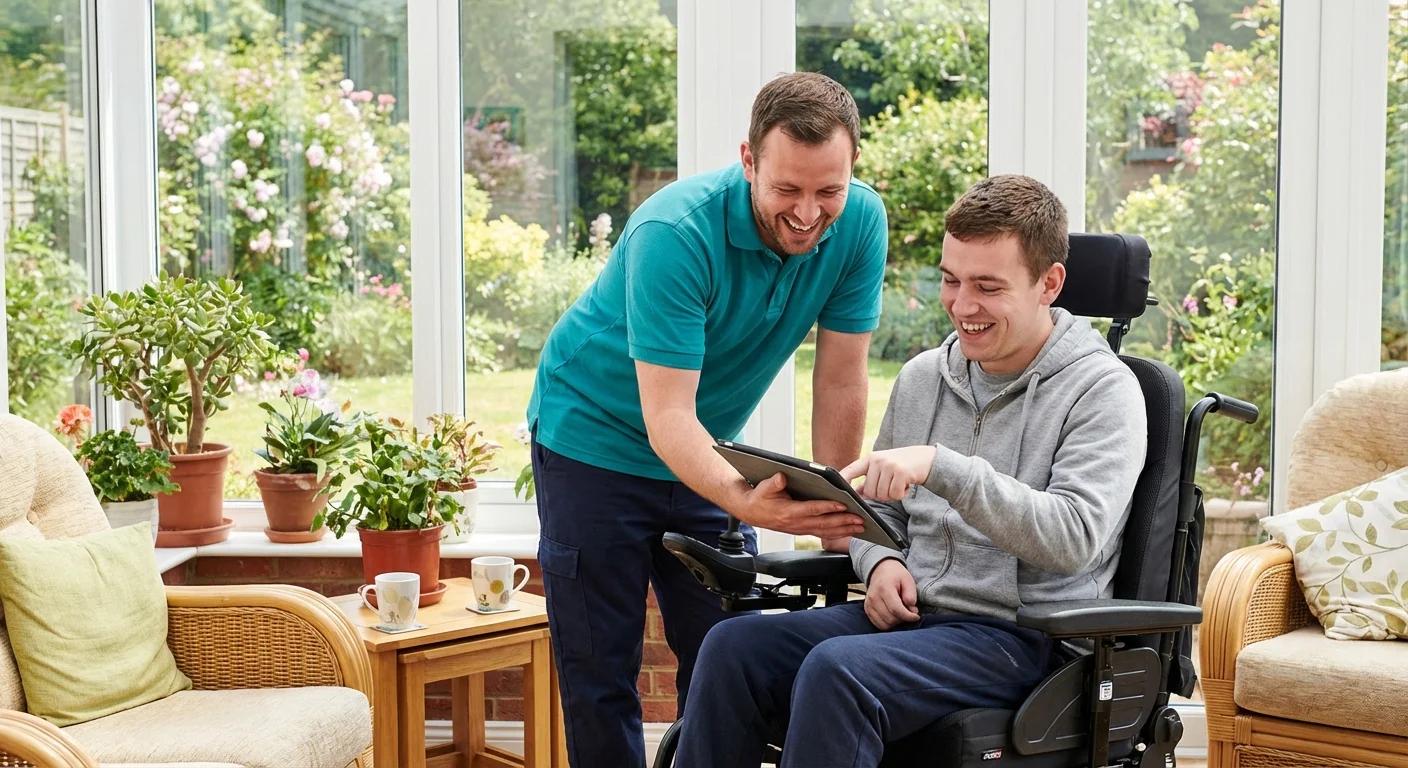
What is a support worker? A support worker helps people who may need additional assistance with everyday life, independence, personal care or access to community services.
Support workers can work with people with learning disabilities, autism, physical disabilities, mental health needs, older people and others who need care or support. The exact responsibilities depend on the person being supported, the setting and the employer.
Support work can be rewarding, but it also requires patience, reliability, good communication and the ability to follow agreed care and safeguarding procedures.
This guide explains what support workers do, where they work, the skills and checks commonly required, and what to consider if you are thinking about becoming a support worker.
What Does a Support Worker Do?

A support worker helps people manage everyday activities and live as independently as possible.
The role can vary considerably depending on the setting. Some support workers provide practical help with daily routines, while others support people with more complex needs or work as part of a wider care team.
Typical support can include:
- Helping with everyday routines
- Supporting people to attend appointments
- Helping with shopping, cooking or budgeting
- Supporting access to community activities
- Encouraging independence
- Providing companionship and emotional support
- Supporting people with personal care where this is part of the role
- Following individual care or support plans
- Recording relevant information and reporting concerns
- Working with other care or healthcare professionals
The aim is not simply to do everything for the person. Good support should encourage independence where possible and follow the individual’s needs, preferences and agreed support plan.
The Care Workforce Pathway describes care or support workers as people who support individuals to live their lives, including through everyday support, personal care and helping people live independently.
Where Do Support Workers Work?
Support workers can work in several different settings.
Supported living
In supported living, support workers help people live as independently as possible while receiving the assistance they need.
This can involve helping with cooking, appointments, budgeting, community activities and daily routines.
Residential care
Some support workers work in residential care settings where people live and receive ongoing care and support.
The role may involve helping with daily activities, personal care and other needs depending on the service.
Mental health services
Support workers may work with people experiencing mental health needs, helping them maintain routines, develop independence and access appropriate services.
Community and outreach services
Some roles involve supporting people in their own homes or in the community rather than working in a residential setting.
The location can therefore make a significant difference to what a support worker does from one job to another.
Support Worker vs Care Assistant
The terms support worker and care assistant are sometimes used interchangeably, but the roles are not always identical.
A care assistant may focus more heavily on personal care and daily physical needs, particularly in residential or domiciliary care.
A support worker may have a broader focus on helping someone maintain independence and participate in everyday life. This can include community activities, appointments, communication, routines and practical support.
There can also be significant overlap.
For example, a support worker may provide personal care if this forms part of the person’s support needs and the role.
The job title alone does not tell you everything about a position. Always read the job description to understand the actual duties, setting and level of responsibility.
Common Duties and Responsibilities
The duties of a support worker depend on the individual and the service, but common responsibilities can include:
Supporting daily routines
A support worker may help someone organise their day, prepare meals, attend appointments or complete household tasks.
Promoting independence
Support workers can encourage people to develop or maintain skills so they can take greater control over their everyday lives.
Supporting community involvement
This might involve accompanying someone to activities, appointments, education, employment or social events.
Personal care
Some support worker roles include personal care such as helping with washing, dressing, eating or other daily activities.
Where personal care is involved, the appropriate training, safeguarding arrangements and checks are particularly important.
Following support plans
Support workers are expected to follow agreed ways of working and provide support in line with the individual’s needs and the organisation’s procedures.
Recording and reporting
Depending on the setting, workers may need to record activities, incidents, changes in someone’s condition or other relevant information.
Safeguarding
Support workers have an important role in recognising and reporting concerns about abuse, neglect or a person’s safety.
The exact responsibilities should always be confirmed in the job description and training provided by the employer.
Skills and Training
You do not necessarily need years of experience to start working in support work. Entry requirements vary between employers and roles.
However, employers commonly look for people who can demonstrate:
- Patience
- Reliability
- Good communication
- Empathy
- Teamwork
- Respect for other people’s choices
- Ability to follow instructions
- Good record-keeping
- A willingness to learn
- Understanding of safeguarding
The Care Workforce Pathway identifies baseline knowledge and skills for people entering care and support work, with opportunities to progress towards Level 3 through routes such as qualifications or apprenticeships.
Training requirements also depend on the setting and the people being supported. For example, someone working with people with learning disabilities or autism may need additional training relevant to their role.
In England, adult social care employers may also have access to specific training and qualification support through government schemes, although eligibility and funding arrangements vary.
DBS and Other Checks
If you are applying for a support worker role, you may need a DBS check depending on the duties and the people you will be working with.
There is not one DBS level that automatically applies to every support worker. Eligibility depends on factors including who the role involves working with, the activities carried out and the setting.
For example, GOV.UK guidance states that care workers or care assistants carrying out certain personal care activities for adults can be eligible for an Enhanced DBS check with an Adults’ Barred List check.
Employers may also carry out other checks as part of their recruitment process, such as:
- Right to work checks
- References
- Identity checks
- Qualification checks where relevant
- Employment history checks
- Training and compliance checks
The exact requirements depend on the role and employer.
This is why you should check the job advert carefully before applying rather than assuming that every support worker position has exactly the same requirements.
Temporary and Permanent Support Worker Roles
Support workers can find both temporary and permanent opportunities.
Temporary support worker roles
Temporary or agency work can provide opportunities to work different shifts or settings.
Depending on the employer or agency, this may include:
- Day shifts
- Night shifts
- Weekend work
- Short-term cover
- Longer temporary assignments
Temporary work can be useful for people looking for flexibility, but you should always check the hours, pay, location and employment terms before accepting an assignment.
Permanent support worker roles
Permanent positions can provide a regular role within a specific service.
You may work with the same group of people and become familiar with their routines, support plans and needs.
The best option depends on your circumstances, availability and the type of support work you want to do.
Support Worker Jobs in Luton

If you are searching for support worker jobs in Luton, it is worth looking beyond the job title.
Different employers may use titles such as support worker, care worker, care assistant or supported living worker for roles with overlapping responsibilities.
Look carefully at:
- The type of service
- The people you will support
- Main duties
- Required experience
- Training requirements
- DBS requirements
- Working hours
- Day, night or weekend shifts
- Pay and employment terms
- Location and travel requirements
ST HECS currently supplies support workers to supported living services across Luton and surrounding areas, including roles supporting adults with learning disabilities, autism, mental health needs and physical disabilities.
If you are already experienced in care or support work, having your DBS status, references, training records and availability ready can make the registration process easier.
For people looking for wider care opportunities, ST HECS also covers care roles across Luton, Dunstable, Bedford and surrounding areas.
Frequently Asked Questions
What is a support worker?
A support worker helps people who need assistance with everyday life, independence, personal care or accessing community activities. The exact duties depend on the person’s needs, the setting and the employer.
What does a support worker do every day?
Daily duties can include helping with routines, appointments, meals, community activities, personal care and independence. Some roles also involve record-keeping, safeguarding and working with other professionals.
Do support workers need qualifications?
Not every support worker role requires a specific qualification before starting. Employers set their own requirements, and training may be provided depending on the role. Additional qualifications can support career progression.
Do support workers need a DBS check?
Some support worker roles are eligible for DBS checks, but the level of check depends on the duties, setting and people being supported. Employers should assess DBS eligibility according to the relevant rules.
Can I become a support worker without experience?
Some entry-level roles may accept candidates without previous care experience. Employers may look for suitable personal qualities and provide training, while other positions may require previous experience or specific skills.
What is the difference between a support worker and a care assistant?
There can be considerable overlap. Care assistants often focus more on personal care and daily physical needs, while support workers may have a broader focus on independence and everyday living. The actual duties depend on the role.
Can support workers work nights and weekends?
Yes. Many care and supported living services operate around the clock, so some roles include nights, weekends or other shift patterns. Always check the specific vacancy for its working hours.
Where can support workers work?
Support workers can work in supported living, residential care, community services, people’s homes and other care or support environments.
Healthcare Staffing Support from ST HECS
Finding suitable support workers can be important for care providers that need reliable staff for temporary cover or permanent positions.
ST HECS provides healthcare recruitment support in Luton and surrounding areas, including support workers and other healthcare staff for temporary and permanent requirements.
If you are a care provider looking for support worker staffing, you can contact ST HECS to discuss your staffing requirements and the type of workers you need.
If you are a support worker looking for opportunities, you can also get in touch with your experience, availability and the type of work you are interested in.
Looking for support worker opportunities or healthcare staffing support in Luton? Contact ST HECS to discuss your requirements.






Leave a Reply