
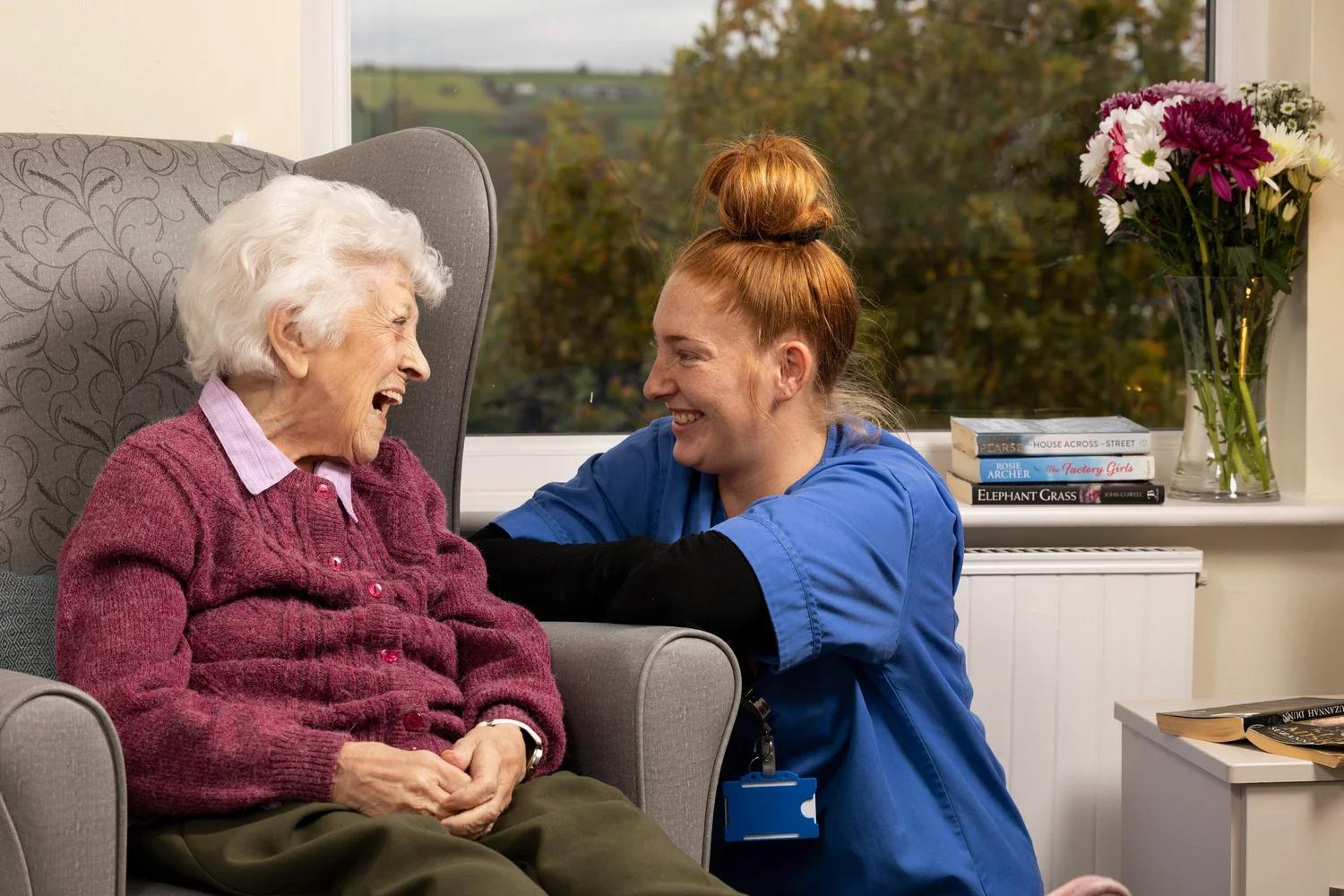
Care assistant jobs in Luton come up all year round, in care homes, nursing homes and supported living services across the town and the rest of Bedfordshire. If you are thinking about care work, this guide explains what the job involves day to day, what employers look for, the checks you should expect and how working through a recruitment agency like ST HECS can help you find shifts that fit your life.
What a care assistant does
Care assistants, sometimes called healthcare assistants or care workers, help people with the everyday things they find hard to manage alone. On a typical shift that can include:
- Helping people get up, washed and dressed, and supporting them with toileting
- Helping at mealtimes and making sure people drink enough
- Supporting people to move safely, using equipment you have been trained on
- Spending time talking with residents and joining in activities
- Noticing changes in someone’s health or mood and reporting them to the nurse or senior carer
- Keeping clear, accurate care notes
The work is physical and emotionally demanding, and it matters. For many residents, the care assistant is the person they see most each day.
Where care assistant jobs in Luton are
- Residential care homes: supporting older people with daily living.
- Nursing homes: working alongside registered nurses with people who have more complex health needs.
- Dementia care settings: where patience, routine and calm communication are central.
- Supported living services: helping adults with learning disabilities, autism or mental health needs live more independently. Read more about supported living staff.
Some carers also move into live-in roles, staying with one person for a set period. If that interests you, see our page on live-in carer jobs.
Do you need experience or qualifications?
Many care providers take on people without previous care experience and train them, because the qualities that matter most cannot be taught in a classroom: kindness, patience, reliability and respect for people’s dignity and choices. Experience caring for a relative, volunteering or working in customer service all help.
Once you start, expect training in areas such as moving and handling, safeguarding, infection control and basic life support. Experienced carers often build on this with further care qualifications, which can lead to senior carer roles and beyond. If you already hold care certificates, keep copies ready, as employers will ask to see them.
The checks you will go through
Because you will work with people who may be vulnerable, employers carry out pre-employment checks. Expect an enhanced DBS check, references from previous employers, proof of your identity and a right to work check. Being open about your history and having your documents ready speeds things up. Our post on what a support worker does covers a closely related role if you are weighing up both.
Shifts and working patterns
Care is needed around the clock, so roles cover early, late, long day and night shifts, including weekends. That can suit people who need to work around childcare, study or another job. Ask about shift patterns at interview so you know what you are signing up for.
Agency work vs a permanent role
Working through a healthcare recruitment agency lets you choose when you work and try different settings before settling on one. It is also a way back into care after a break. A permanent contract with one provider gives you the same team and residents every week. Many people start with agency shifts to find the setting they enjoy, then decide.
Is care work right for you?
Before you apply, think about a few practical questions. Are you comfortable helping someone with personal care such as washing and toileting? Can you stay patient when a resident is confused, upset or repeating the same question? Are you able to be on your feet for most of a long shift? Do you mind working some weekends and bank holidays? If the answer to most of these is yes, care work can be one of the most rewarding jobs there is. If you are unsure, a few agency shifts in different settings are a good way to find out before committing to a permanent role.
Tips for your application
- Say why you want to do care work, in your own words.
- Give a real example of a time you looked after someone or stayed calm under pressure.
- Be clear about the shifts and travel you can manage around Luton and Bedfordshire.
- Have your ID, right to work documents, any certificates and two referees ready.
Register with ST HECS
ST HECS recruits care assistants, support workers and healthcare assistants for care homes and supported living services across Luton and Bedfordshire. Find out more about our healthcare recruitment in Luton, or contact us to register.





Leave a Reply